Nine Degrees, One Torch, and the Long Walk to the Handpull
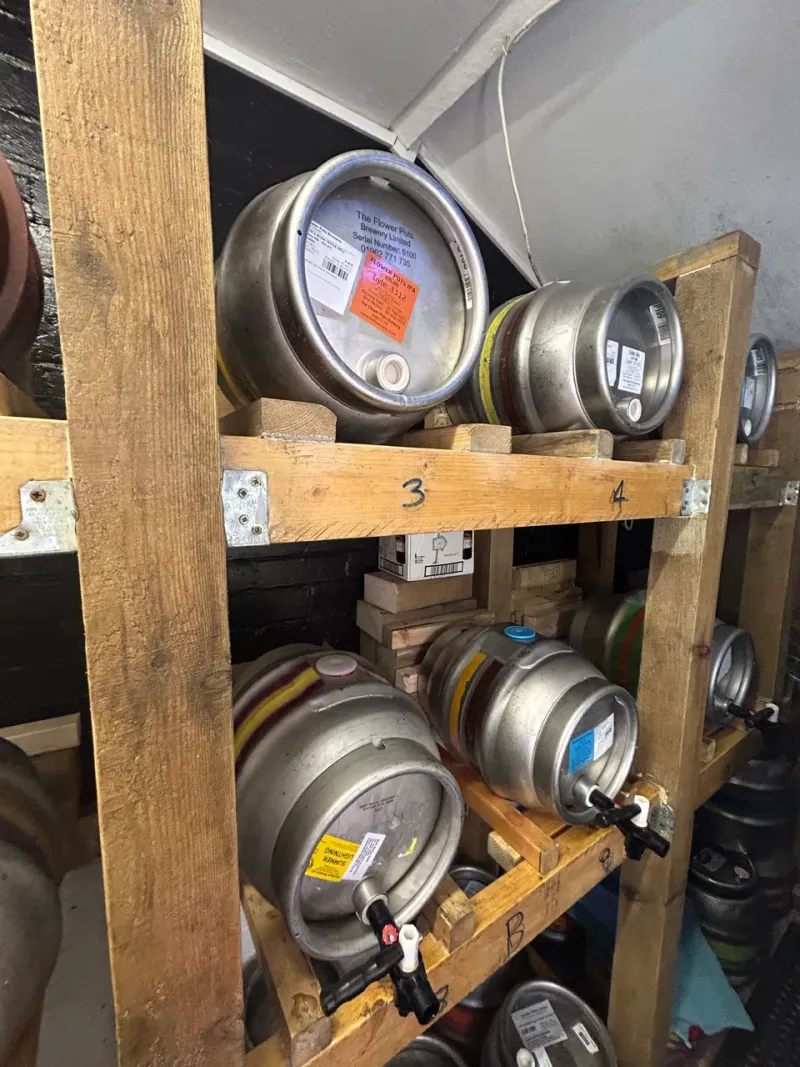
Photo: 55belgianbeerfan, CC0, via Wikimedia Commons
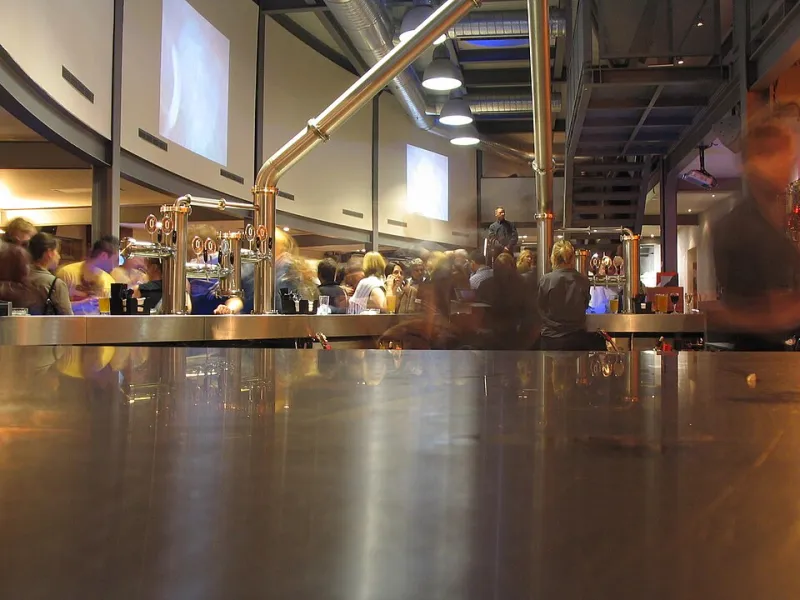
On a Friday afternoon at Calver's, the bar is a room of stacked chairs and half-polished glassware. The first proper pint of the evening is still hours away. Down a narrow staircase behind the bar, though, the night has already begun.
The Door Behind the Bar
The cellar door is easy to miss. Regulars know the hatch, the little sign, the occasional clatter of a keg being nudged into place. What they do not see is the ritual that starts before the doors open. Ruth, who runs the cellar shift, calls it getting the room ready to breathe. She means the casks. She means the lines. She means the quiet business of making sure every pint tastes like it belongs here.
The first job is not pulling beer. It is checking temperature. Cask ale likes a cool cellar, not a cold one. Keg lines run colder. Ruth has a thermometer and a torch, and she uses both like a detective. You can tell a lot from the way a cask sits, she says. If it is sulking, you will know.
Nine Degrees and a Torch
The cellar is not a glamorous place. It is whitewashed walls, stainless steel, crates, and a floor that has seen a thousand deliveries. The temperature sits in single figures for the keg, with the cask corner kept a few degrees warmer. The torch beam finds the chine, the keystone, the shive. A cask that has travelled from a brewery needs time to settle. It needs venting. It needs someone to check that the hard spile is doing its job and the soft spile is letting the beer breathe without letting the whole room know about it.
Venting is not a dramatic act. It is a small, soft hiss. It is the sound of a beer deciding to be itself. Ruth checks the level, checks the seal, checks the date on the collar. She writes on a clipboard. The clipboard is not retro decoration; it is the cellar's memory. A cask that came in on Tuesday and has been settling ever since gets a different note from one that arrived on Friday morning. The difference matters. A beer that has had time to rest will pour with a calmer head and a clearer flavour. A beer that has been rushed will taste like it has been rushed.
The Line Is Half the Pint
Ask drinkers what makes a good pint and they will talk about the brewery, the glass, the pour. Ask a cellar team and they will talk about the line. A dirty line can ruin a perfect cask. Calver's cleans lines on a rota, and the work happens before service rather than in the middle of it. Line cleaner goes through, then water, then a careful reconnection. Each line gets run and checked. Ruth may taste a small sample after the flush. You are not looking for excitement, she says. You are looking for nothing. No tang, no fizz where it should not be, no ghost of Tuesday's guest ale.
By five, the first cask is on. By six, the bar is filling. The cellar work does not stop when the first customer arrives. It simply becomes invisible. A pint is pulled, a sparkler is clicked on or off, the glass is topped up, and the handpull returns to its resting position. Nobody applauds. That is the point.
The Handpull Verdict
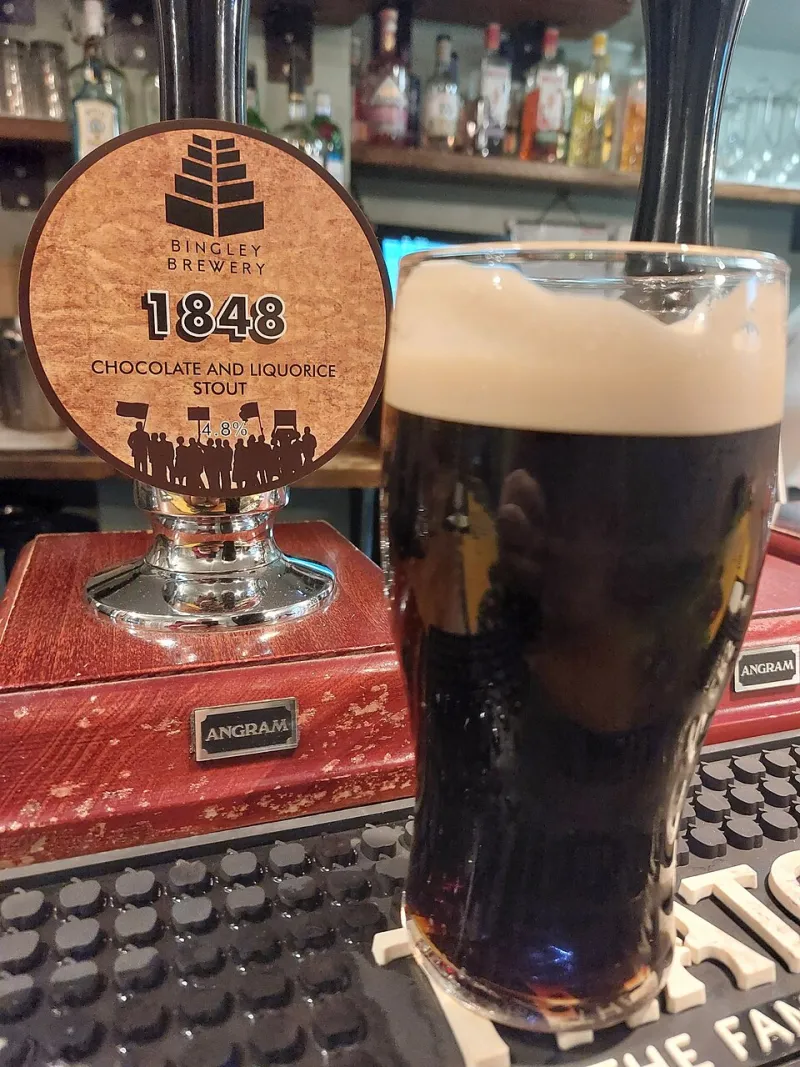
A guest ale does not earn its place on the handpull simply by arriving. There is a spare line, a chalkboard, and a conversation. The cellar team tastes. The bar manager tastes. They talk about condition, clarity and whether the beer will hold up over a busy weekend. A beer that is too fragile for a Friday night might still be right for a quiet Wednesday. A beer that is too safe might not be worth the space at all.
When a guest ale finally goes on, it is not a grand unveiling. It is a chalk mark, a new clip, a final check of the line. But there is a small satisfaction in it. The least visible part of the bar has made a decision that every customer will taste.
What the Cellar Asks of You
The cellar asks for patience. It asks for clean glassware, steady temperatures and a bit of respect for the beer's journey. It also asks the bar team to notice things: a pint that is pulling slow, a cask that is nearing its end, a line that needs attention before the Friday rush. Most of that work happens below the conversation, below the music, below the noise of a good night out.
So next time you raise a glass at Calver's, you do not need to thank the cellar. You just need to notice the pint. If it tastes clean, cool and properly looked after, the quiet work has already been done. Somewhere behind the bar, a torch is still on, a clipboard is still filling up, and the next cask is settling in for its turn.