Below the Hatch: A Cellar Shift at Calver's, From Delivery Dray to First Pour
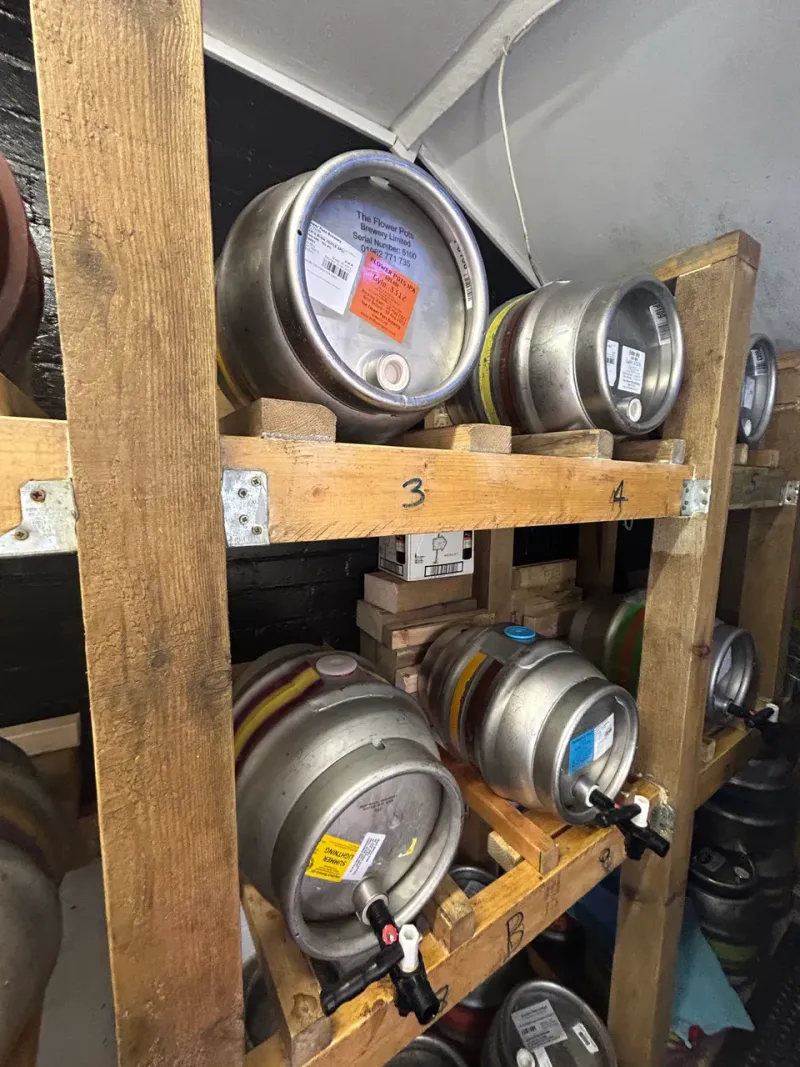
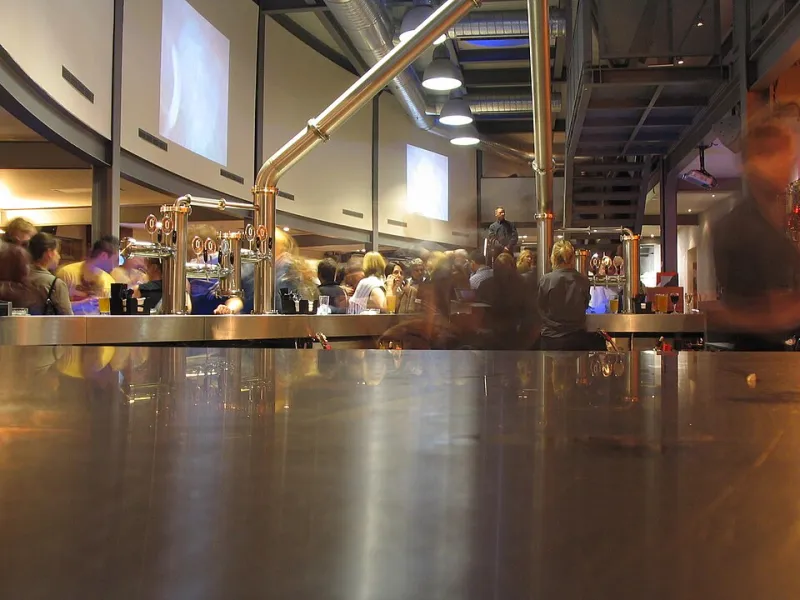
Photo: 55belgianbeerfan, CC0, via Wikimedia Commons
The cellar door at Calver's is easy to miss. It sits behind the bar, past the end of the handpulls, painted the same deep green as the wall so that only the brass latch gives it away. Nine steps down, a turn to the left, and the noise of the street falls away completely. The air is cool and smells faintly of malt, cold stone and the clean, sharp twang of line cleaner. This is where the beer waits.
On a damp Tuesday in November, the cellar is already busy at half nine. Marek, who has run the cellar at Calver's for six years, is crouched beside a row of casks on stillage, tapping the side of one with two knuckles. Ellie, who joined in the spring, is checking the temperature log on the wall. Neither of them looks up when I come down. This is not a room that stops for visitors.
The dray arrives before the kettle
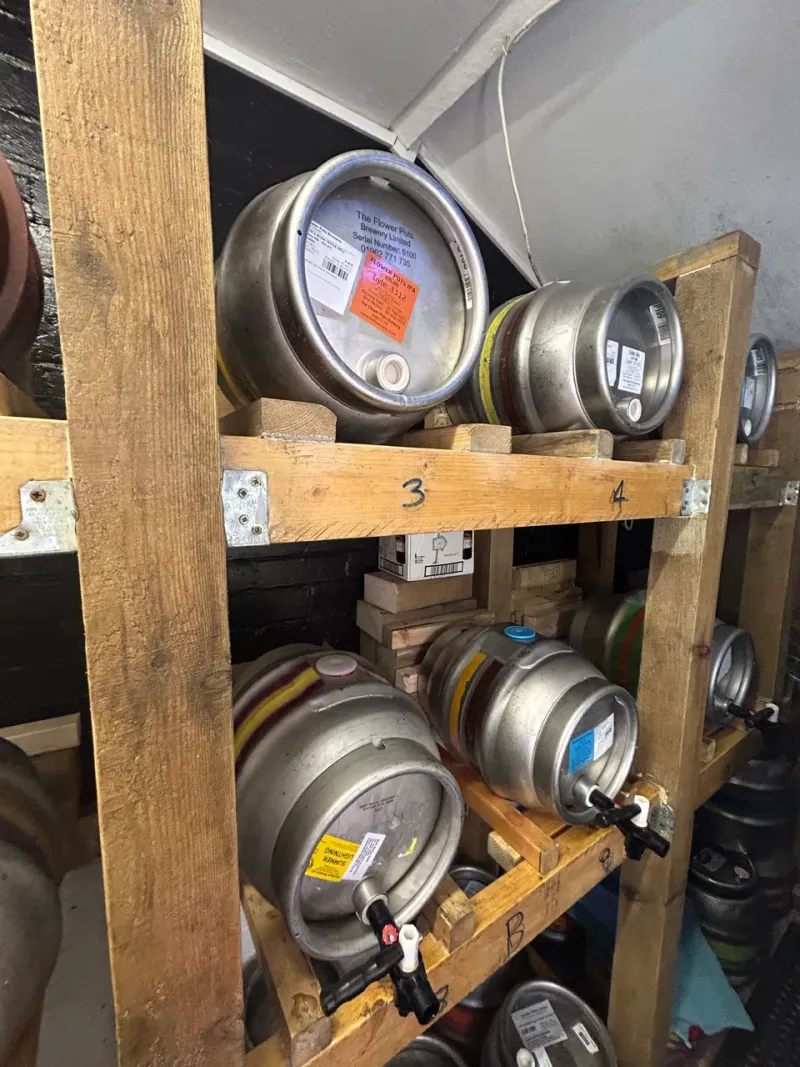
The first job of the day actually started at eight, when a brewery dray from twenty minutes up the road reversed into the service bay. Casks come in on their sides, stacked and strapped, and the quicker they are off the lorry and onto stillage the better. Marek calls it ‘getting them breathing’. A cask that has been shaken about in a van needs time to settle, and settling is not something you can rush with a clipboard.
‘People think it's just put a barrel on and pull the handle,’ he says, straightening up. ‘But a cask is a living thing for a week or so. It's still working. You've got to let it finish.’
The casks are lined up on the stillage at a slight tilt, tap end down, so that the sediment gathers away from the tap. Each one gets a soft spile — a little wooden peg — to let gas escape while the beer settles. Later, when the beer has dropped bright and the condition is right, the soft spile comes out and a hard one goes in. Marek does this by feel and sound as much as by timetable. ‘You can hear it,’ he says. ‘A cask that's ready sounds different when you tap it. Duller.’
Settling in: the quiet part of the job
Ellie is on the temperature checks. There is a thermometer clipped to each shelf and a digital probe on the wall, and every cask has a note on a clipboard with the date it arrived, the brewery, the beer name and the day it is expected to be ready. The cellar is kept between eleven and thirteen degrees — cool enough to keep the beer fresh, warm enough that the flavours are not knocked flat. It is a narrow band, and keeping it there in a building that is 130 years old is not as simple as turning a dial.
‘The back wall is colder than the front,’ Ellie says, pointing. ‘So you rotate. You don't just leave a cask where it lands. You move it so it gets the same conditions as everything else.’
This is the part of cellar work that nobody sees: the rotation, the notes, the checking. The cellar is not a storage room. It is a schedule.
The temperature argument
Ask three people at Calver's what the ideal cellar temperature is and you will get three answers, all delivered with total confidence. Marek says twelve degrees, no debate. Ellie thinks eleven and a half is better for the paler beers. The assistant manager, who pops down halfway through the shift to drop off a delivery note, says that in his last pub they ran it at thirteen and the bitter was never better. None of them is wrong, exactly. It depends on the beer, the week and the building.
What they do agree on is that temperature is the difference between a pint that tastes like itself and a pint that tastes like nothing much. A cask ale served too cold loses its malt, its fruit, its point. Served too warm, it goes soft and flat. The argument, Marek says, is not a problem. ‘It means people are paying attention.’
Lines, lint and the less glamorous half
By ten, the line cleaning kit is out. Every line in the pub is cleaned on a weekly rota, and today is the turn of the two handpulls at the far end of the bar. Ellie fills the line with beer line cleaner, lets it sit, then flushes it through with water until the water runs clear. Marek follows behind with a torch, checking the connectors and the nozzles for the small build-up of yeast and lint that can ruin a pint before it has even left the cellar.
‘You can taste a dirty line from across the room,’ Ellie says. ‘It's not subtle. It's like a pint that's been sat in a cupboard.’
There is a log on the wall for all of it — date, time, line, initials. When the Cask Marque assessor turns up unannounced, as they do, that log is the first thing they ask to see. It is not glamorous work. It is the reason the first pint of the day tastes the same as the fifth.
First pour, last check
At twenty past eleven, the first customer of the day comes in upstairs and orders a bitter. Marek is already back at the bar, having come up to pull the first half through himself. That half goes into a jug, not a glass. It is the taster, the check, the cellar's final word on whether the cask is ready.
He holds it up to the light, takes a mouthful, and nods. Then he pulls a fresh pint, lets it settle, tops it up and slides it across the bar. The customer never sees the nine steps, the clipboard, the temperature argument or the soft spile. They just see a pint that tastes right.
‘That's the job,’ Marek says, already heading back down the stairs. ‘If nobody notices us, we've done it properly.’
The cellar door clicks shut behind him. The handpull squeaks. Upstairs, Calver's begins its day.