The Glass Knows First: A Weather-Led Week Behind Calver’s Handpulls
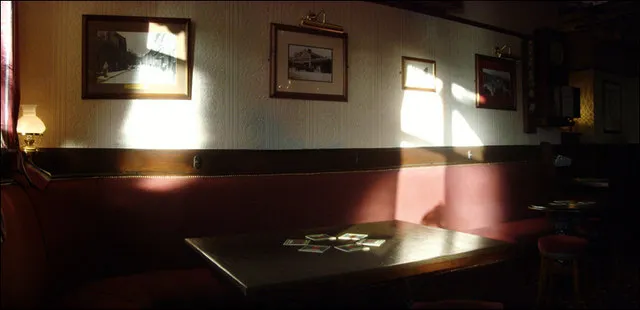
Photo: Howard Selina, CC BY-SA 2.0, via Wikimedia Commons
On a wet Monday morning in November 2026, the first thing on the bar isn’t a pint glass. It’s a phone, open on the forecast. Before the delivery dray arrives and before anyone writes up the day’s specials, someone at Calver’s is squinting at the week ahead and asking a very practical question: what is this weather going to make people want to drink?
It sounds like a small thing. It isn’t. In a neighbourhood bar, the forecast shapes the cellar, the kitchen, the rota and the mood of the room. A cold snap brings the dark beers forward. A wet lunchtime sells soup. A dry Saturday puts the garden benches back in play. None of it is glamorous, and none of it is left to chance.
Monday: Turning the Forecast Into a Shopping List
This week’s outlook is a familiar November mix: mild and damp to start, a sharp cold turn by Thursday, then a dry but frosty Saturday. The cellar lead reads it the way other people read a racing page. Mild and damp means the pale ales will still move, but not at summer speed. The cold turn means the porter and the stout need to be ready. Dry Saturday means the garden could be worth opening up properly, even if everyone will need a coat and a blanket.
The kitchen gets a different version of the same information. Soup is made in batches, not wishes. A wet Monday and Tuesday usually mean more lunchtime covers and more bowls of something thick and orange. A dry weekend means fewer people will sit down for soup and more will graze on bar snacks. So the specials board is planned in pencil, not stone.
Nothing about this is high-tech. There’s no algorithm telling Calver’s what to do. It’s a conversation between the forecast, the stock sheet and the memory of what happened last time the weather did something similar. The bar has learned to trust the pattern but leave room for the plot twist.
The Handpull Is a Barometer
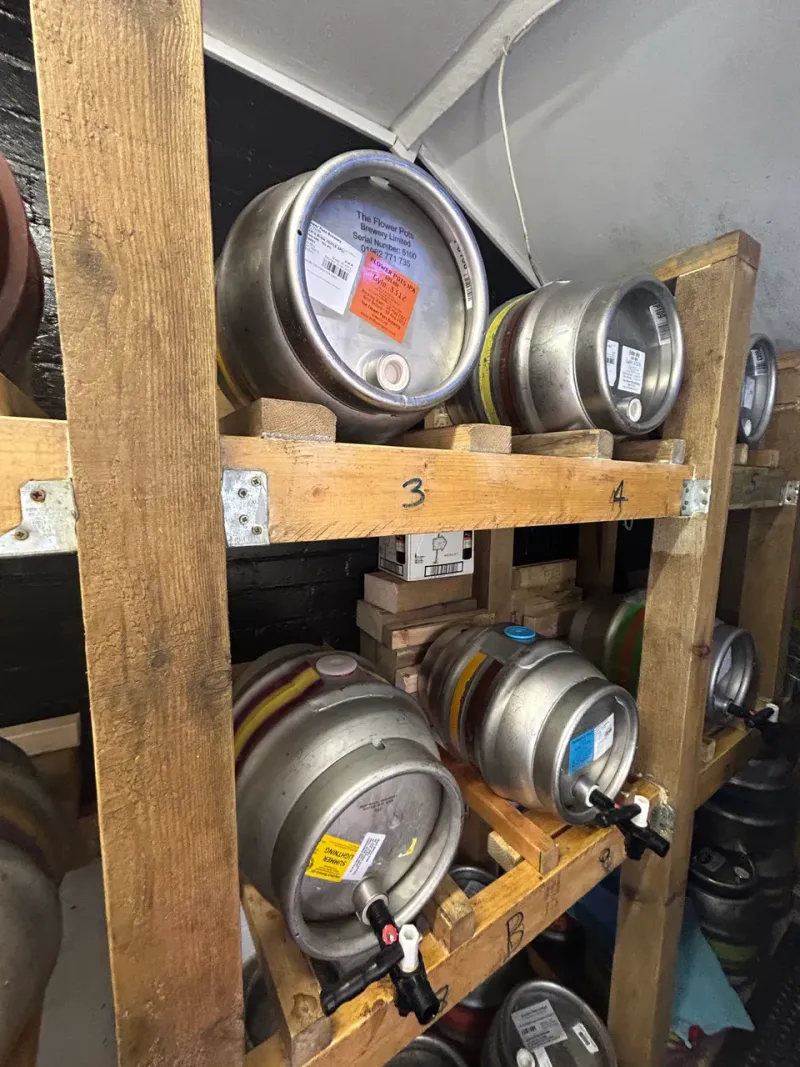
The handpulls are where the weather becomes visible. A guest dark beer doesn’t go on the moment the temperature drops; it goes on when the cellar team knows it has had time to settle and when the week looks cold enough to drink it properly. Rack it too early and you’re pouring cloudy beer into a quiet room. Rack it too late and the regulars have already ordered the usual.
By Wednesday, the decision is made. The dark beer goes on ahead of the cold snap, not after it. That way, by the time Thursday’s wind arrives, the first pint is ready for the person who walks in stamping their feet and saying they’ve been freezing since the bus stop. The chalkboard gets a small, tidy line. Nothing dramatic. Just a quiet piece of weather planning made drinkable.
This is also why the guest list at Calver’s is never quite as random as it looks. A mild week might carry a lighter bitter or a pale ale with a bit of citrus. A cold week gives the darker stuff room. The forecast doesn’t choose the beer, but it certainly nudges the order.
Cider, Soup and the Art of Not Overdoing It
Mulled cider is the other obvious weather lever. The first batch doesn’t go on because the calendar says November. It goes on when the forecast says people will want it — usually the first proper cold, damp evening when the windows steam up and everyone comes in looking for something warm to hold. This week, that means Thursday.
But the bar is careful. Mulled cider can be lovely and still be a trap if you make too much of it. The aim is to have enough for the cold snap without tipping the rest away on Sunday. So the first batch is small, the spices are gentle, and the pan gets topped up through the evening rather than left to bubble into syrup.
Soup works the same way. On a wet Monday, a big pot of leek and potato feels like the most sensible thing in the building. By Friday, if the forecast has shifted drier, the kitchen might switch to something lighter or run the soup as a smaller lunch option. It’s not about being precious. It’s about not making food that nobody wants simply because it was on the plan on Monday.
Benches, Covers and the Garden Question
The garden is the great November gamble. The covers don’t come back just because the benches are still outside. They come back when the forecast offers a dry evening and the regulars have started asking whether the garden is open. This week, that question gets a yes for Saturday. The covers go on, the blankets come out, and someone checks the outdoor lights before the early dark sets in.
That decision changes the rota, too. A dry Saturday means more glasses outside, more tables to clear, more trips up and down the garden path. A wet Saturday means the inside tables fill faster and the bar needs someone on glass wash earlier. The difference between a smooth night and a scrappy one is often just whether the weather plan was honest on Monday.
What Actually Happens
By Friday, the forecast has already moved a little. The cold arrives earlier than expected. The dark beer goes faster than the stock sheet predicted. The mulled cider pan is empty by nine. The soup runs out at lunch and the kitchen has to say no to three people who all look personally betrayed.
None of that means the planning failed. It means the planning gave the bar a head start. The team knows which lever to pull next time: a second dark beer ready in the cellar, a bigger first batch of cider, a few more soup portions for a wet Friday lunch. The forecast is not a script. It’s a nudge, and Calver’s has learned to listen without following it off a cliff.
By Saturday, the garden is full of people in coats pretending it isn’t cold. The handpull is working. The soup is gone. The chalkboard has been changed twice. It has been, by the standards of a neighbourhood bar in November, a very well-planned week — even if nobody outside the cellar would ever call it that.