When the Black Tap Comes Back: Calver's Winter of Dark Beer
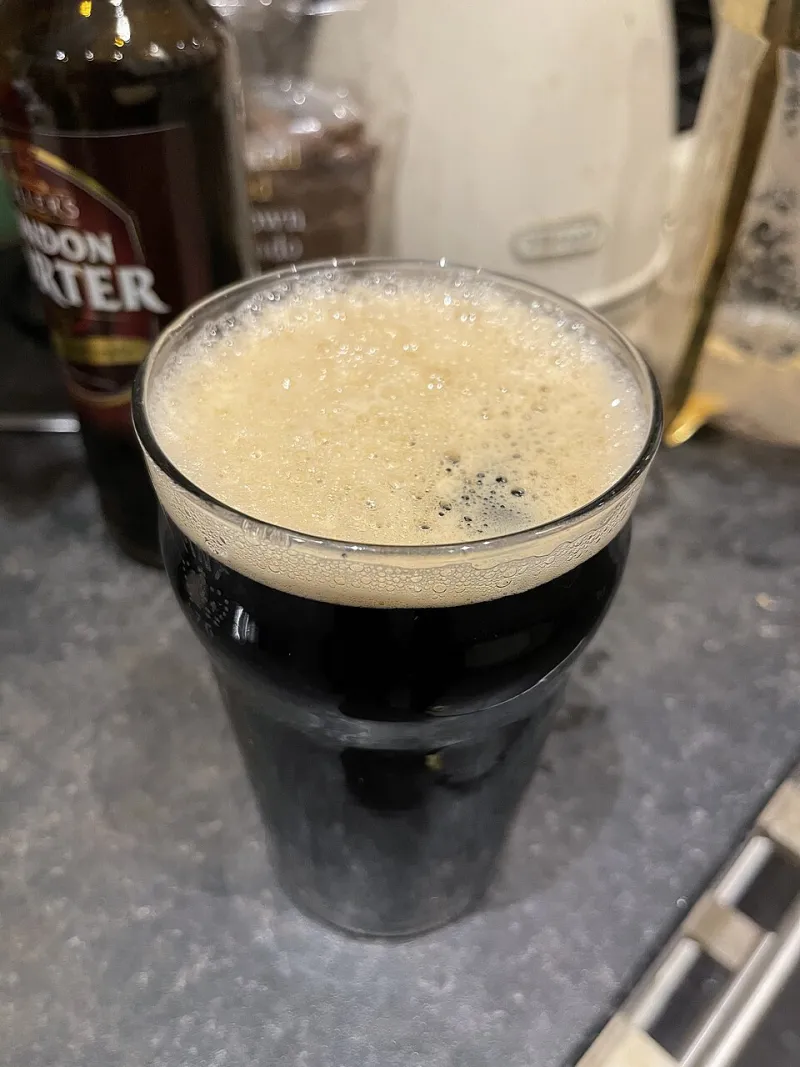
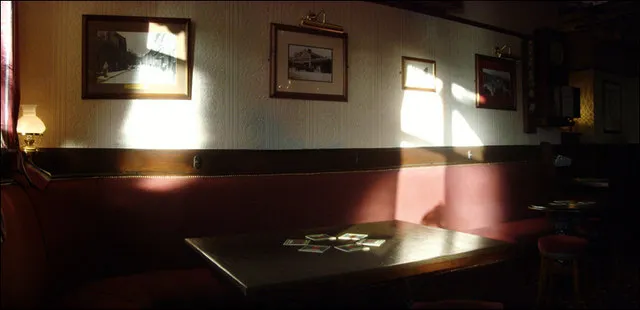
Photo: Flobbadob, CC BY-SA 4.0, via Wikimedia Commons
There is a moment in early November, usually mid-afternoon on a Tuesday when the pub is half-empty and the light is already going, when someone behind the bar reaches up and rubs out a line on the chalkboard. The clip holding the pump clip gets unclipped. A new one goes on. Nobody announces it. Nobody needs to.
Within an hour, three people have ordered the same thing without being told it exists. By Friday, the dark tap has a small, loyal queue of its own.
The Chalk Changes Before the Weather Does
Calver's has four handpulls and only one of them is allowed to make a fuss. The rest rotate through the pale, the best bitter and whatever golden ale is behaving itself that week. The second pump from the left is different. From roughly Bonfire Night to the back end of February, it belongs to the dark stuff — a stout, a porter, sometimes a mild if the mood in the building suits it.
People talk about winter warmers as though the whole trade switches on a heater in October. It is less dramatic than that. What actually happens is a series of small decisions made in a cellar and a back office, most of which the customer never sees and, frankly, would rather not.
Picking a Dark Beer Without Writing an Essay About It
The manager's rule is simple and slightly annoying to anyone who likes a list: three dark beers at a time, maximum. One permanent-ish stout that people can rely on. One guest from a brewery within reasonable driving distance. One wildcard, which is allowed to be strange.
What gets rejected matters more than what gets picked. Anything that needs explaining before it can be enjoyed tends to fall away. So does anything so heavy that a second pint becomes an act of will. The test is not whether a beer can be described well. It is whether a person who has just come in from a cold car park can order it, drink it, and want another.
The staff get a say, which is not always how these things work elsewhere. Everyone behind the bar tastes the shortlist on a Monday afternoon, on the understanding that they will have to sell it on a Thursday night to someone in a wet coat. Beers that taste wonderful in a two-ounce glass and grim in a full pint have a habit of being found out this way.
Settling, Temperature and the Sparkler Argument
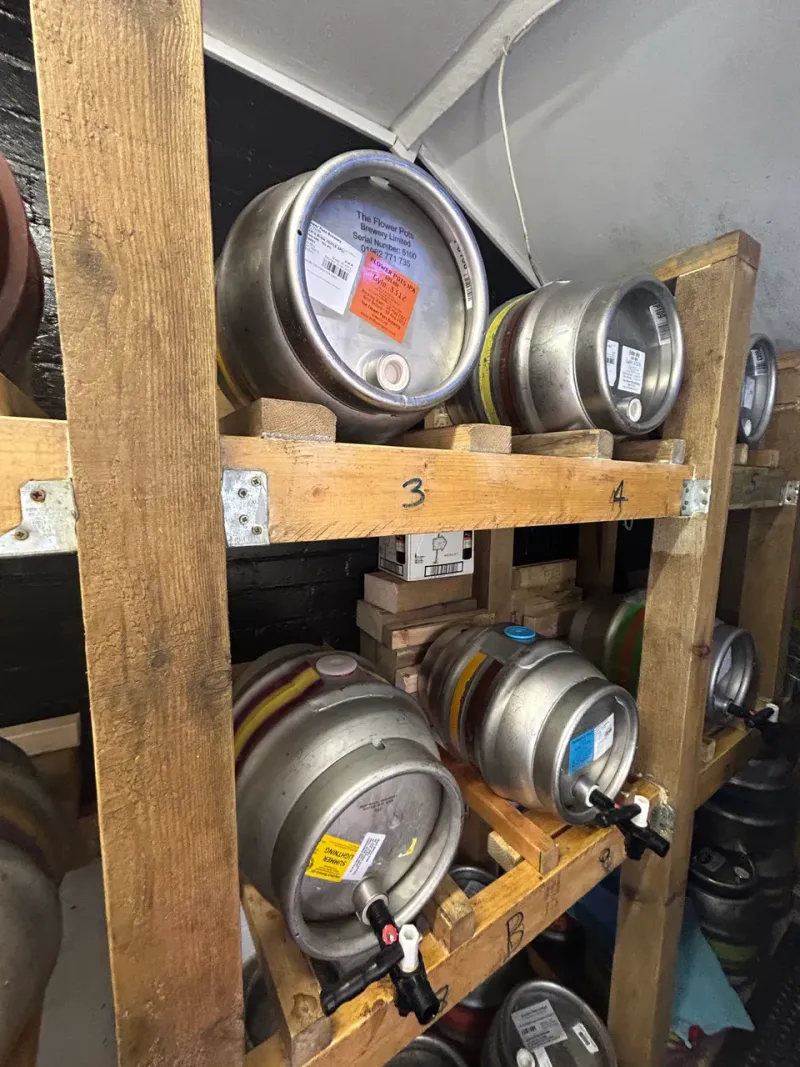
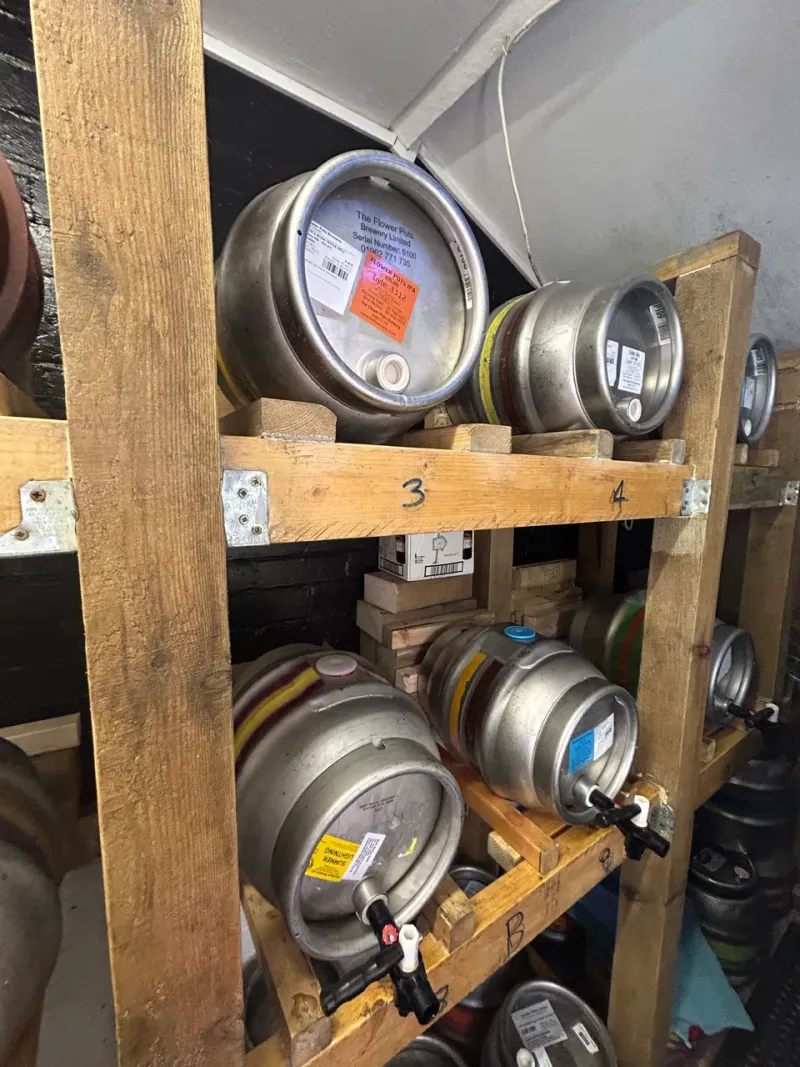
A dark beer needs a bit of patience in the cellar. Stouts and porters arrive hazy and lively and take longer to drop bright than a pale does, which is why the changeover is planned rather than improvised. The line gets cleaned properly before anything black goes through it — a stout poured through a line that last carried a golden ale is a stout with an identity crisis.
Temperature is the other quiet obsession. Too cold and the whole point of the beer disappears behind the chill; too warm and it turns syrupy in the glass. Calver's aims for something cellar-cool rather than ice-cold, which occasionally means explaining to a newcomer why their pint is not frosty. Most people, once they have tried it, stop asking.
And yes, the sparkler question gets raised every year, usually by the same two regulars, usually with the same level of conviction. The bar's answer has not changed: a stout gets a tight, soft head because that is how the regulars here like it, and anyone who wants it otherwise only has to say so. Nobody has ever said so twice.
The Ones Who Wait All Year
There is a man who comes in on the first Friday of November, looks at the second pump, and says 'ah' in a tone that suggests a personal milestone has been reached. He drinks lager from March to October without complaint and then switches, and the switching is the point.
Then there is the woman with the small notebook who records the date the dark tap goes on every year, along with a single word about the first pint. Not a review. More of a diary entry with a little foam on it. She has been doing it since before the current owners, and nobody is entirely sure whether she knows that the notebook is now a minor local institution.
And there are the quieter ones: the couple who share a single stout on a Sunday and then order a second because they always do; the fella who insists dark beer is a myth and orders one anyway every December. The migration from lager to dark is not a stampede. It is more like a slow rearrangement of a room.
Drinking It Without the Lecture
The bar has one strong policy on describing beer, and it is this: say what it tastes like, not what it smells of. 'Chocolatey, a bit roasty, not too heavy' will sell four pints. A paragraph about cacao nibs and forest floor will sell one, to a person who then feels slightly tricked.
If you are new to the dark tap, the advice is boringly practical. Order a half first. Drink it after you have taken your coat off and warmed up, because a cold palate makes everything taste thinner than it is. Try it with something salty — the crisps behind the bar exist for a reason, and the Monday toastie is a genuinely excellent partner. Then decide.
Most people decide in favour. Some do not. Both are fine, and neither will be discussed at length by anyone.
Last Orders on the Subject
The dark tap will come off again in early spring, when the light comes back and the room starts to feel like it wants something paler. It will be a Tuesday. Somebody will rub out a line on the chalkboard. Somebody else will say 'ah', quietly, and order a lager.
If you have not tried it yet, this is the season. Come in out of the cold, take a seat near the fire if it is free, and start with a half. The regulars will not make a thing of it. That is rather the point of the place.